
Italian Silk Fabric: What It Is and How to Care for It
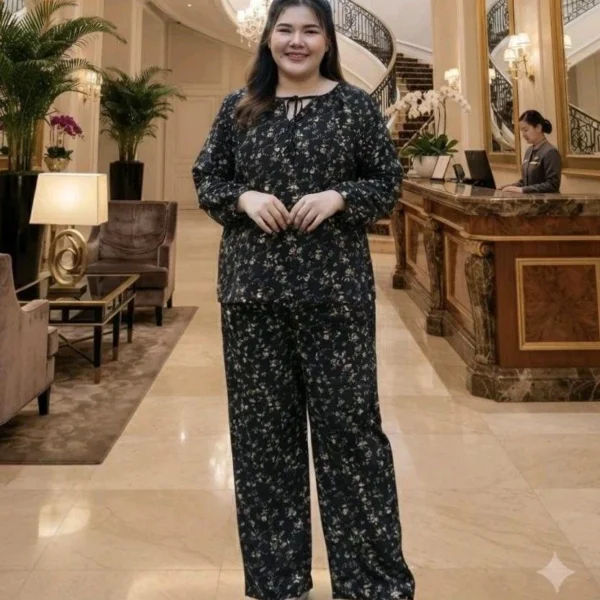
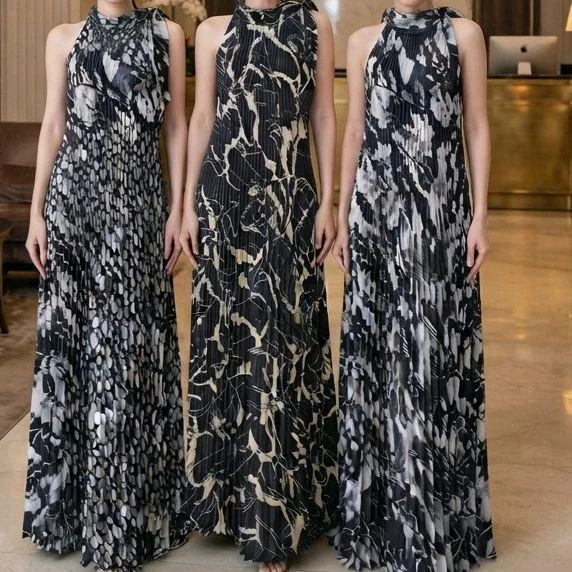
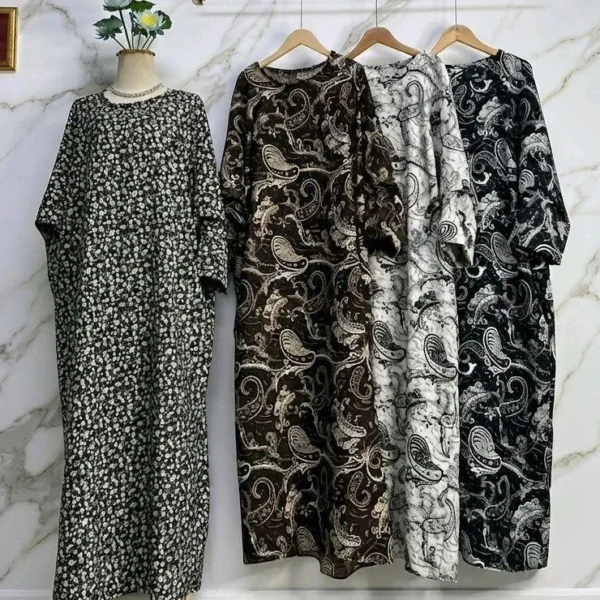
Italian silk fabric is a trade name for a soft, smooth fabric that is widely used for printed clothing in Thailand. It is not real silk: fabric sellers in general describe it as polyester or a polyester blend, but the fibre of the fabric we use is not confirmed. We use it for dresses, pleated skirts, pants, sets and abaya dresses.
Also called: ผ้าไหมอิตาลี (Thai), Italian silk fabric
What is Italian silk fabric?
In Thai fabric markets and clothing shops, Italian silk (ผ้าไหมอิตาลี) is a trade name. The name tells you neither the fibre nor where the fabric was made. Real silk is a natural protein fibre from silkworm cocoons, but the fabric sold as Italian silk is different: fabric sellers in general describe it as polyester or a polyester blend. We have not confirmed the fibre split of the fabric we use, so we do not quote a percentage. If you need that detail for a wholesale or manufacturing order, ask us. Our fabric guide compares it with the other fabrics we use.
How it feels and drapes
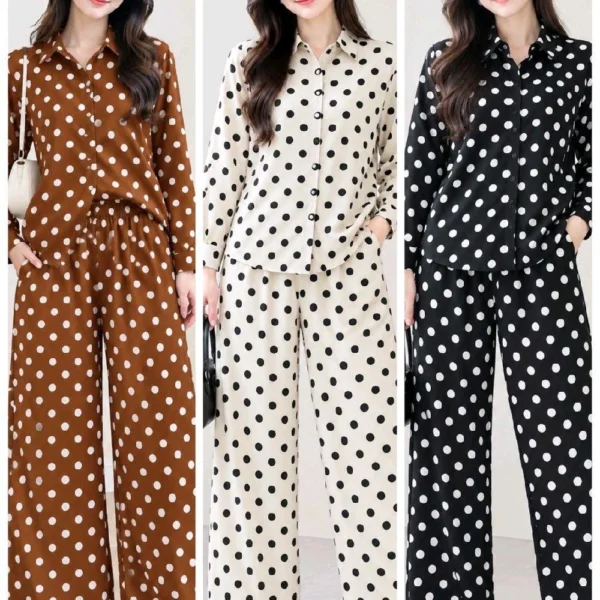
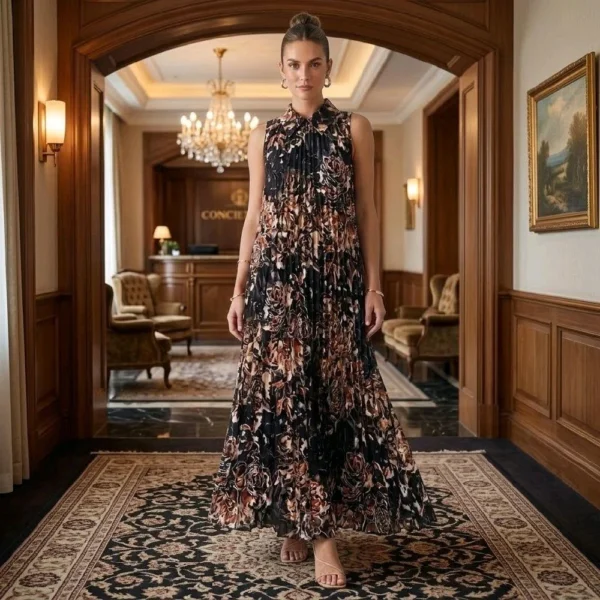
Most sellers, including our own product descriptions, describe Italian silk as soft, smooth, comfortable and not hot. Fabric of this kind usually drapes well and moves as you walk, which is why it suits A-line dresses, long skirts and wide-leg pants. It is also widely used for prints. Ours include rose, peony, polka dot, marble, kanok, a traditional Thai motif, and graphic designs, and a few styles come in plain colours, such as the collared shirt dress in 7 colours.
Pros and cons
- Pros: a smooth surface and a fluid drape. It usually creases less than cotton and dries quickly, and most of our pleated skirts and pants are made in it.
- Cons: if it is polyester-based, as it is generally described, it breathes less than cotton or linen, so a loose cut helps on very hot days. A hot iron can damage it, and the smooth surface can snag on jewellery or hook-and-loop fasteners.
Italian silk at Veena Garment
Italian silk is the fabric we use most, across dresses, skirts, pants, sets and abaya dresses, at ฿199–499: the printed A-line dress and the collared shirt dress start at ฿199, and the pleated skirts and pants cost ฿299. Examples include the polka-dot pleated skirt, which is 40 inches long, the printed Italian silk A-line dress and the polka-dot shirt and pants set. You can see every style in our printed Italian silk collection.
How it compares with similar fabrics
- Real silk: a natural fibre from silkworm cocoons. It costs far more and often needs hand washing or dry cleaning.
- Satin: the word describes a weave that gives the fabric a glossy face. Italian silk is a market name that does not tell you the weave, so check the product photos if you want a shiny finish.
- Toffee: in our range, toffee fabric is used mainly for plain colours and stripes, while Italian silk carries our prints and pleats.
Pieces made in Italian silk
All fabrics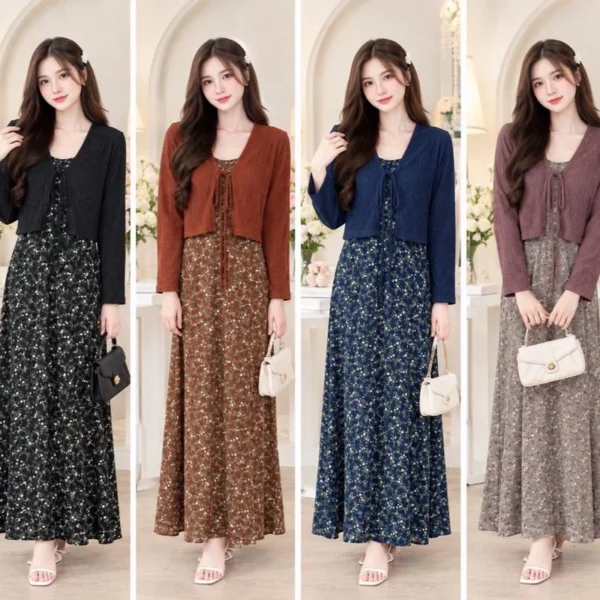


Frequently asked questions
Is Italian silk real silk?
No. Italian silk is a market name for a fabric, not a silk fibre. General sources describe it as polyester or a polyester blend. We have not confirmed the fibre split of our own fabric, so we do not quote one. Real silk usually costs far more and needs more careful handling.
Is Italian silk hot to wear?
Many sellers, including us, describe it as not hot, but how it feels depends on the cut and the weather. If the fabric is polyester, as it is generally described, it breathes less than cotton or linen. On very hot days, a loose cut such as an A-line dress or wide-leg pants lets more air move around you.
Does Italian silk need ironing?
Usually not often, since this kind of fabric tends to crease little and relaxes when it hangs. If you do iron, use a low setting on the reverse side or with a pressing cloth. Never iron over the pleats of a pleated piece, because heat can flatten them.
What is ผ้าไหมอิตาลี called in English?
It is usually written simply as Italian silk, which is a trade name in English just as it is in Thai. It does not mean silk from Italy. When you describe it to overseas buyers, pair the name with a plain description: a smooth printed fabric that is not real silk.