Italian Silk vs Satin: How the Two Fabrics Differ
Italian silk vs satin is really a comparison between a trade name and a weave. “Italian silk” is the Thai market name for a soft, smooth, gently shiny fabric that is usually printed; it is not real silk, and most sources describe it as polyester. Satin is a weave with a glossy face and a dull back that can be made from silk, polyester or other fibres, and it tends to suit evening wear and sleepwear more than everyday outfits.
Italian silk and satin are both smooth, slippery fabrics, and in photos they can look almost the same, so shoppers often wonder whether they are really different and which to choose. We use Italian silk for many of our dresses, skirts and pants, so here is a plain explanation of Italian silk vs satin: what each name means, how they differ and which suits which kind of outfit.
What is Italian silk?
“Italian silk” (ผ้าไหมอิตาลี in Thai) is a trade name for a soft, smooth fabric with a gentle sheen that feels a little like silk. It is often printed all over and is popular for dresses, skirts, pants and sets. It is not real silk: most Thai sources describe it as a synthetic polyester fabric. The word “silk” describes how it feels, not what it is made of, and “Italian” does not confirm where it was made.
We use the name because it is what Thai shoppers know and search for, not to suggest silk. If the fibre content of a particular garment matters to you, ask us before you order. For more on the fabric itself, including its pros and cons, see our Italian silk fabric guide.
If you resell Italian silk clothing, describe it the same way: as a trade name, not as silk. Your customers then know exactly what they are buying, and you avoid disappointment later.
What is satin?
Satin is not a fibre. It is a weave. In a satin weave, threads in one direction float over several threads running the other way before dipping under, which leaves a smooth, glossy face and a duller back. That means satin can be woven from many fibres, including silk, polyester, acetate and nylon. Silk satin is expensive; most satin used for everyday clothing is polyester.
Because of those long floats, satin can snag on nails, jewellery or hook-and-loop fasteners more easily than many fabrics, and creases or water marks on some types show clearly because the surface reflects so much light.
Italian silk vs satin: the main differences
These are the differences you will usually notice. Individual fabrics vary between batches and mills.
| Feature | Italian silk | Satin |
|---|---|---|
| What the name means | A trade name for a soft, smooth fabric | A weave that gives a shiny face |
| Fibre | Most sources describe it as polyester; not real silk | Many possible; everyday satin is usually polyester, silk satin is costly |
| Sheen | Soft and fairly even | High gloss on the face, dull on the back |
| Feel and drape | Soft, smooth, fluid | Very slippery; some types are heavier and hold their shape |
| Pattern | Usually printed all over, such as florals and dots | Usually a solid colour |
| Creasing | Tends not to crease easily, and prints hide creases | Creases show more because the surface reflects light |
| Price | Italian silk clothing is mostly affordable | Varies widely, from low-cost polyester satin to expensive silk satin |
| Common uses | Everyday dresses, pleated skirts and pants, sets | Evening wear, sleepwear, blouses, linings |
How to tell them apart yourself
- Look at both sides. Satin shows a clear contrast: a shiny face and a dull back. Italian silk usually has a softer, more even sheen, with the print clearest on the face.
- Move it under a light. Satin throws back a bright band of light. Italian silk reflects more softly.
- Do the crumple test. Squeeze a corner in your hand for about half a minute, let go and watch how quickly the creases relax. It is a rough guide to how creased the garment will look after a day's wear.
- Read the fibre label. The label, or the seller's answer, is more reliable than anything you can judge by eye.
Please do not try a burn test at home. Synthetic fabrics melt and can catch fire, which is dangerous.
Which fabric should you choose?
- Everyday wear and work in hot weather: a loose printed Italian silk style is easy to look after and stays neat through the day.
- Evening events and parties: satin's high shine reads as more formal.
- Modest outfits: both work. Choose a cut that does not cling and a fabric that is not see-through.
- Travel: pick whichever fabric relaxed its creases faster in the crumple test.
- Heat: in everyday clothing both are usually synthetic, so neither breathes like cotton or linen. A loose cut and a light weight make more difference to comfort than the fabric's name.
Caring for both fabrics
The same general rules suit both. If the garment has a care label, follow it first.
- Wash in cool or room-temperature water, inside out, to protect the print and the face of the fabric.
- Hand wash, or use a laundry bag on a gentle cycle. Do not wring.
- Dry on a hanger in the shade and let the fabric hang straight under its own weight.
- If you need to iron, use the low setting for synthetics and iron on the reverse or under a pressing cloth. High heat can leave synthetic fabric shiny or distorted.
- Store on a hanger or fold loosely, and keep satin away from hooks, zips and hook-and-loop fasteners that can snag it.
Pleated pieces need extra care with heat. Our step-by-step guide to washing a pleated skirt without losing the pleats covers it.
Italian silk in our collection
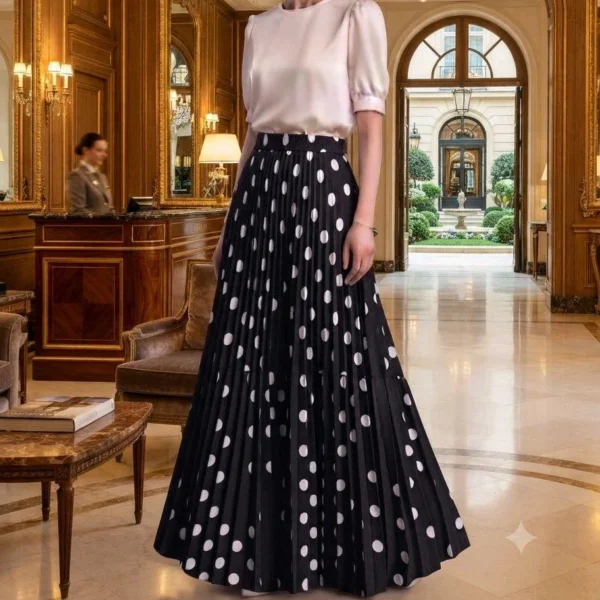
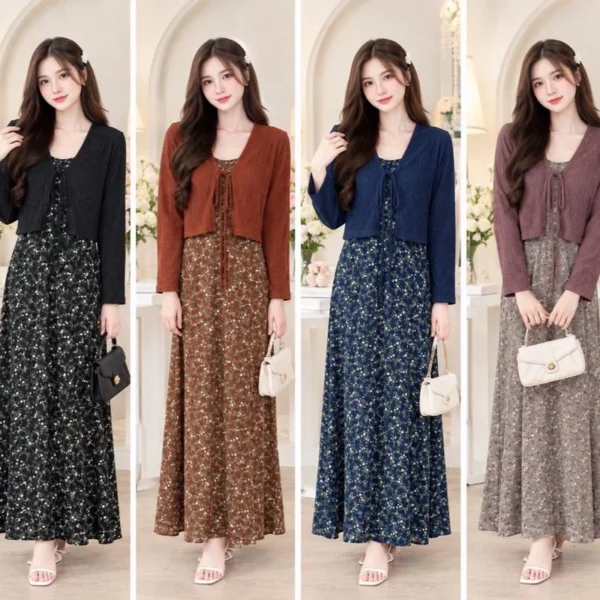
We use Italian silk where we want drape and a clear print, such as our printed Italian silk A-line dress, which fits a 32–46 in chest, and our polka dot pleated skirt in Italian silk, which fits a 24–45 in waist. See every style in this fabric in our printed Italian silk collection.